Historic Homes in Augusta: Which Neighborhood Fits?
June 11, 2026
June 11, 2026
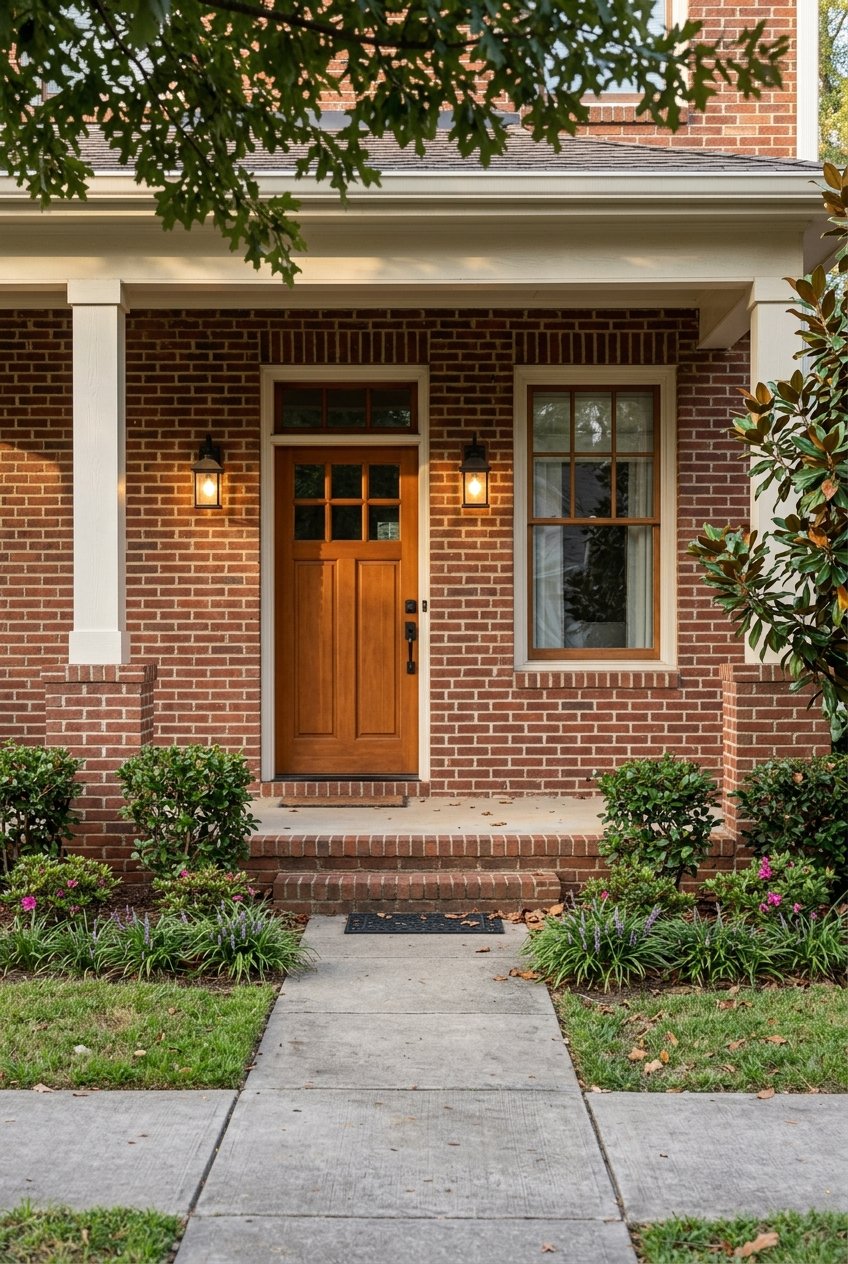
If you love the idea of tree-lined streets, front porches, and homes with real architectural personality, Augusta’s historic neighborhoods may feel like a better fit than a newer subdivision. At the same time, buying in an established area often comes with different rules, lot patterns, and renovation considerations. This guide will help you understand what to expect in Augusta’s historic and pre-World War II neighborhoods so you can decide whether the lifestyle, character, and ownership tradeoffs match your goals. Let’s dive in.
Augusta’s historic districts include Downtown, Olde Town, Summerville, and Harrisburg. City planning materials describe these older neighborhoods as traditional areas with grid streets, alleys in some locations, sidewalks in many blocks, mixed residential and institutional uses, and lot sizes that can vary from one property to the next.
That creates a very different experience from many newer suburban communities. In Augusta’s older in-town areas, you are often choosing character, walkability, and variety over uniform streetscapes, similar lot sizes, and fewer exterior review rules.
For many move-up buyers and relocation buyers, that difference matters. If you want a neighborhood that feels established and layered instead of planned all at once, these areas deserve a close look.
Summerville is one of Augusta’s best-known historic neighborhoods, and it often appeals to buyers who want mature trees, larger front yards, and a strong sense of place. City preservation materials describe landscaped borders, foundation plantings, spacious lawns, tall shade trees, and colorful flower beds as part of the district’s defining character.
The architecture also adds to the appeal. A city survey excerpt describes Summerville as primarily Craftsman with some Queen Anne influences, which helps explain why the neighborhood feels visually rich without looking repetitive.
If you are moving from a newer community, Summerville may feel less standardized and more established. The lot and landscape pattern often shape the street view just as much as the homes themselves.
Summerville also benefits from its connection to Augusta University’s historic Summerville Campus and the old Augusta Arsenal footprint. That gives the area a layered feel that combines residential living with history, public spaces, and institutional presence.
Olde Town offers a more compact, urban version of historic Augusta living. For buyers who want walkability, a wider mix of home styles, and proximity to the urban core, this area often stands out.
The neighborhood includes a broad architectural mix, including Colonial Revival, Queen Anne, Neoclassical Revival, English Vernacular Revival, Prairie, Craftsman, and Spanish Colonial Revival. Home types range from shotguns and bungalows to American Foursquares and pyramid cottages, which gives buyers a lot of visual variety in a relatively concentrated area.
Olde Town’s design guidelines also make it clear that site layout matters. New buildings should match the block’s setback pattern, lot coverage should stay similar to nearby parcels, and underlying zoning still applies.
If your priority is a home with architectural variety and a stronger urban feel, Olde Town can be a compelling option. If you want a large garage-forward layout and a more standardized homesite, it may require some adjustment.
Downtown Augusta is the clearest choice if you want to be close to dining, events, and the riverfront. Visit Augusta describes downtown as a walkable core with restaurants, breweries, coffee shops, museums, art, and both indoor and outdoor attractions.
The area also benefits from direct access to the Savannah River and the Augusta Riverwalk. Broad Street, riverfront spaces, and the Augusta Market at the River add to the appeal for buyers who want everyday convenience mixed with recreation and event activity.
Downtown’s design character is also distinct. The design guidelines note that Greene Street has an unusually wide 170-foot right-of-way compared with most Augusta streets, which are closer to 60 feet wide.
For some buyers, downtown offers the most amenity-rich version of historic living in Augusta. For others, the activity level and urban format may feel very different from suburban life.
One of the biggest differences in Augusta’s established neighborhoods is the range of home styles. The city’s broader historic inventory includes Federal, Greek Revival, Gothic Revival, Queen Anne, Colonial Revival, Neoclassical, Bungalow, Craftsman, Tudor, and Art Moderne architecture.
That means you are not shopping in a neighborhood defined by one look. Instead, many historic Augusta neighborhoods reflect multiple building eras, house forms, and site patterns layered together over time.
For buyers, this can be a real advantage. You may find a home that feels more distinctive and personal than what is common in a newer community.
In Augusta’s older neighborhoods, the lot itself deserves careful attention. City planning materials note that these traditional neighborhoods often include grid streets, varying lot sizes, sidewalks, and in some places alleys.
That can affect how a property functions day to day. Parking placement, outdoor living space, fencing, and future additions may all be shaped by the lot pattern and the district’s character expectations.
In Olde Town, driveways, alleys, sidewalks, and parking areas are treated as character-defining elements. In Summerville, landscaping and open space are part of the neighborhood identity.
This is where local guidance matters. In historic neighborhoods, the house and the homesite should be evaluated together.
Historic ownership in Augusta can be very rewarding, but it is more process-driven than buying in a non-historic subdivision. The city’s Historic Preservation Commission states that work affecting the exterior appearance of a designated historic property can require a Certificate of Appropriateness.
That can include rehabilitation, demolition, new construction, additions, and relocation. The commission reviews projects using local neighborhood design guidelines and the Secretary of the Interior’s Standards for Rehabilitation.
For buyers, the key point is simple: exterior updates may involve approvals, compatibility review, and more planning than you might expect elsewhere.
This does not mean buying a historic home is harder. It means your budget, timeline, and renovation plans should reflect the review process.
Tax incentives sometimes come up when buyers consider historic properties. The federal Historic Preservation Tax Incentives program offers a 20 percent credit for certified historic structures used for income-producing purposes, but it does not apply to owner-occupied residential properties.
Georgia’s state program also covers certified rehabilitation of a historic home. The state has announced that principal residences in local historic districts can be eligible beginning in 2026 if they meet Department of Community Affairs rules.
Because eligibility depends on program requirements, buyers should treat incentives as a possible benefit to explore rather than a guaranteed outcome. It is smart to confirm details early if renovation is part of your plan.
For many buyers, the strongest argument for living in Augusta’s established in-town neighborhoods is proximity. Downtown offers access to restaurants, breweries, coffee shops, museums, art, and waterfront spaces, all within a walkable setting.
Outdoor access is another plus. The Augusta Canal towpath is described by the Augusta Canal Authority as wide, level, and popular for walkers and cyclists, with trail segments stretching from the Headgates to I-20 and to 13th Street, plus multiple trailheads near downtown and the urban core.
That kind of nearby recreation can be a major lifestyle upgrade. If you value being able to enjoy trails, public spaces, and city amenities without driving far, Augusta’s older neighborhoods may offer a better fit than many outer suburban options.
Historic and established neighborhoods are not automatically better than newer communities. They simply offer a different mix of benefits and tradeoffs.
You may be a strong fit for Summerville, Olde Town, or downtown if you value mature trees, porches, walkability, architectural variety, and a neighborhood feel shaped over time. You may prefer newer areas if you want more uniform lots, fewer exterior review constraints, and a more predictable subdivision layout.
The best buying decision comes from matching the neighborhood to how you actually want to live. That is especially important when you are relocating or moving up and trying to balance lifestyle, home design, and long-term usability.
If you want help comparing Augusta’s historic areas with newer neighborhoods in the metro, Candace Riddle - agent site can help you evaluate the details that matter most for your move.
Stay up to date on the latest real estate trends.
Get assistance in determining current property value, crafting a competitive offer, writing and negotiating a contract, and much more. Contact Candace today so she can guide you through the buying and selling process.