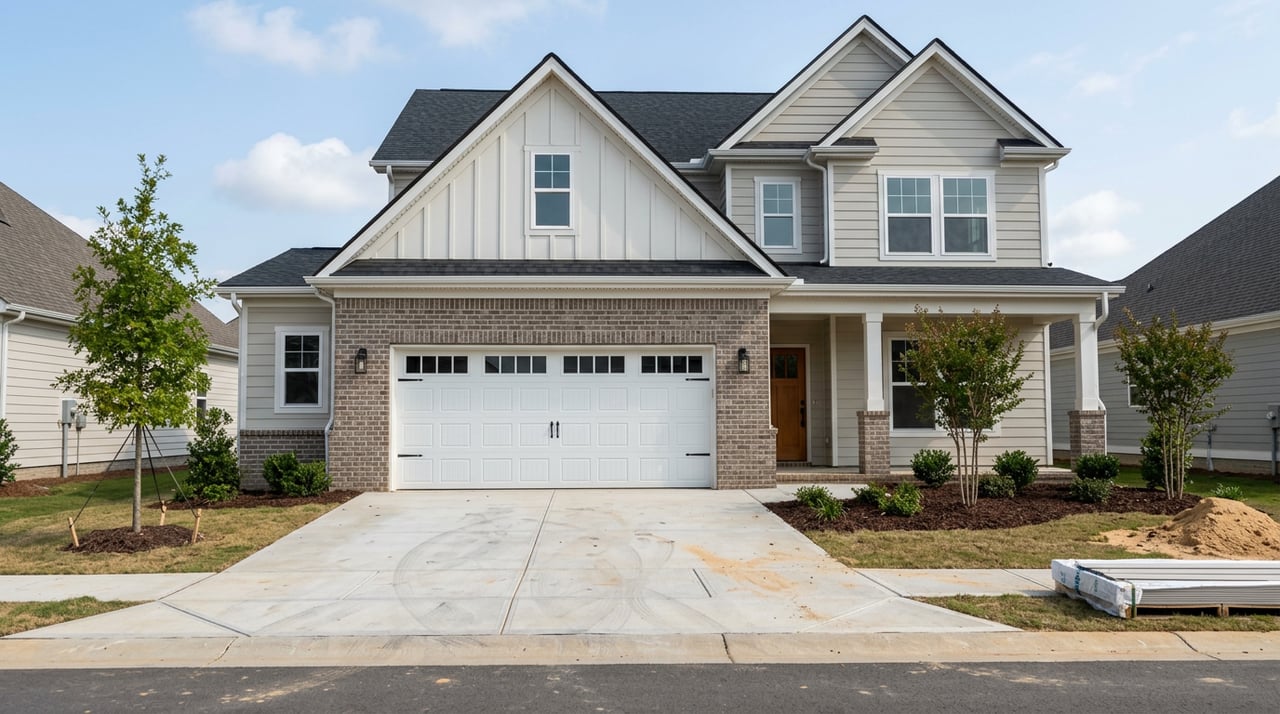
Evans GA New Construction Homes: What Buyers Should Know
March 5, 2026
March 5, 2026
You have more options than ever when it comes to new construction in Evans, but the process can feel overwhelming at first glance. You want the right builder, a smart lot choice, clear timelines, and confidence that you are paying the right price. This guide breaks down how Evans communities work, what to watch for in contracts and design choices, and how to compare new builds with resale homes. Let’s dive in.
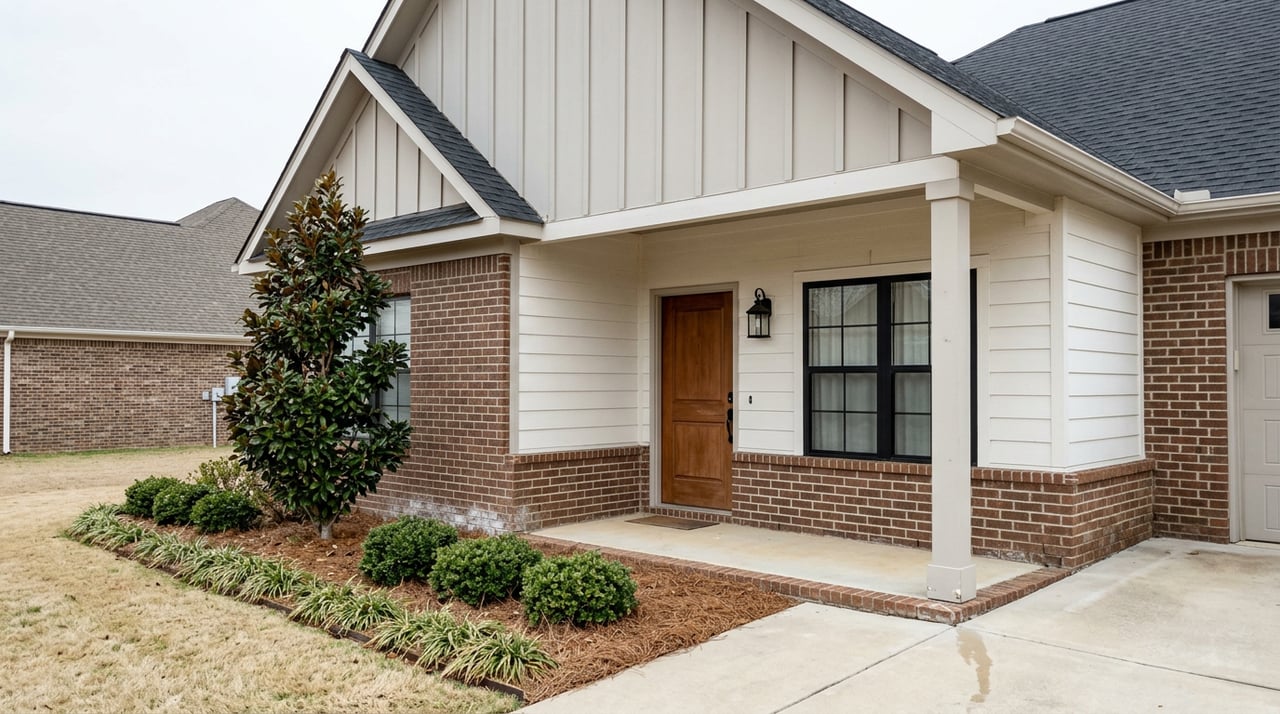
Evans offers a mix of national and regional builders with planned neighborhoods and design selections. You will see communities like Southwind Village by D.R. Horton with floor plans typically in the low to high $300Ks to $400Ks, Four Oaks by Hughston Homes with higher-priced plans, and personalization options through the Ivey Homes design studio.
For context, recent market snapshots show a median resale price around $429,900 in Evans as of January 2026. Use this as a baseline when you compare new-home pricing, lot premiums, and upgrade budgets.
Most new neighborhoods are master planned with one primary builder. The builder or developer markets model homes, manages lot releases, and sets an HOA that typically covers common areas and amenities like sidewalks, irrigation, and sometimes a pool. Always request the HOA documents and current dues before you sign.
Builders usually use their own sales contracts, not the standard resale forms. These agreements outline base price, included features, structural options, allowances, deposits, deadlines, and remedies. Read every deadline closely. Selection cutoffs, change-order rules, and deposit terms can impact both cost and schedule.
Not all lots cost the same. Premiums often apply to cul-de-sacs, larger lots, pond or tree-line backs, corners, and higher elevations. Ask for the current lot map, price sheet, and the buildable envelope for your chosen site. In Evans, also confirm any local permitting items that affect your lot. Review the Columbia County Land Disturbance Permit process and whether elevation certificates apply for your area.
Most production builders schedule a design-center appointment so you can choose cabinets, counters, flooring, tile, lighting, and fixtures. Expect set allowances for each category. Upgrades over your allowance add to the price. Get a signed, itemized summary of every selection and a final allowance reconciliation before closing. If you are seeking more personalization, the Ivey Homes design studio offers a structured process that many local buyers appreciate.
Long-lead items like specialty tile, certain windows, appliances, and some cabinets can affect your timeline. Ask the design team to flag any selections that may delay completion and get any schedule impacts in writing.
Builders have been offering incentives that may include closing-cost credits, mortgage rate buydowns, or design credits. The largest incentives often require you to use a preferred lender and title company. Compare the builder’s package against independent lender quotes. Ensure that any credit is not offset by higher fees or less favorable loan terms.
Move-in-ready or near-finished inventory homes can close within a few weeks to a few months. To-be-built homes commonly take about 6 to 12 months from contract or groundbreaking, depending on permitting, weather, selections, and builder capacity. Use these ranges for planning, then confirm the builder’s commitments in your contract.
Key construction milestones you should track:
Columbia County conducts required inspections tied to permits and land-disturbance rules. Ask your builder which municipal inspections apply to your lot and when they occur. In addition, many buyers schedule independent phase checks. A popular option is a pre-drywall evaluation so an inspector can see framing and rough mechanicals while open. Learn more about the value of pre-drywall inspections and confirm your builder allows third-party inspectors on site at key stages.
Price and value: With a recent Evans resale median around $429,900, compare that baseline to starting prices in your target communities. For example, Southwind Village by D.R. Horton often lists plans in the $300Ks to $400Ks, while Four Oaks by Hughston Homes tends to start higher. Lot premiums and design-center choices can raise your final number, so budget for both.
Timing and certainty: New construction gives you layout and finish choices, but the build may take months and can shift with weather or supply constraints. Resale offers faster move-in and a known condition. If you build, plan for temporary housing options, rate-lock strategy, and a cushion for schedule changes.
Maintenance and warranties: New homes usually come with tiered coverage, most commonly a 1-year workmanship, 2-year systems, and 10-year structural model. Many builders enroll in third-party programs. Review the details of the common 1-2-10 new home warranty model and request the full warranty document at closing.
Resale value and upgrades: Focus on upgrades that hold broad appeal, such as kitchen counters, durable flooring, and energy efficiency. Avoid over-personalizing selections that are hard to recoup later.
Before you sign, gather and review:
Evans buyers should confirm site-related requirements early in the process. Ask your builder which permits apply to your lot, whether land-disturbance inspections are scheduled, and if an elevation certificate is needed. Tie these items to your contract dates so you understand how permitting affects your build timeline and closing.
Ready to explore new construction in Evans with a trusted local advocate on your side? Book a consultation with Candace Riddle to compare communities, run the numbers on incentives, and move forward with clarity.
Stay up to date on the latest real estate trends.
Get assistance in determining current property value, crafting a competitive offer, writing and negotiating a contract, and much more. Contact Candace today so she can guide you through the buying and selling process.