Living in Augusta GA: Daily Life, Areas, and Housing
February 5, 2026
February 5, 2026
Curious what daily life in Augusta actually feels like? Maybe you are weighing a move for work, schools, or a lifestyle change and want a grounded picture before you visit. In this guide, you will learn how the city is laid out, which neighborhoods fit different needs, and what to expect for commutes, recreation, culture, and homes. Let’s dive in.
Augusta and Richmond County function as a single consolidated government within the broader CSRA region. The Savannah River and the Augusta Canal shape much of the city’s geography and weekend fun. The Masters Tournament each spring is the highest-profile event, and it sets the rhythm for tourism and hospitality. Health care anchored by Augusta University and the Medical District, along with Fort Gordon, are major employers that keep the local economy stable.
Many people find Augusta more affordable than larger metros, especially for housing. Exact numbers for population, income, and prices change over time. If you need current stats, look to sources such as U.S. Census QuickFacts or local market snapshots. Day to day, residents often describe a relaxed Southern pace with pockets of busy nightlife and family activity.
Downtown places you close to the riverfront promenade, restaurants, galleries, and historic venues. You will find condos, loft conversions, and a growing number of apartments. Walkability is strong for dining and entertainment, especially along Broad Street and near the river. Expect seasonal visitor spikes during Masters week and limited parking on busy nights.
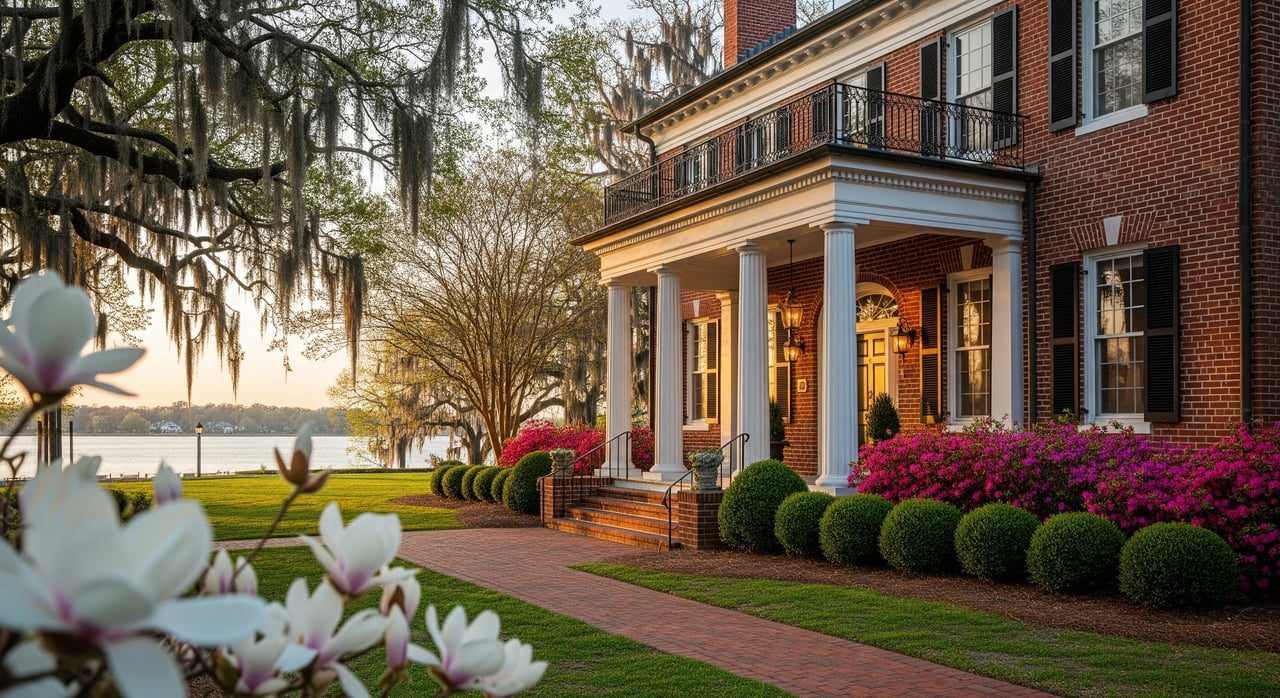
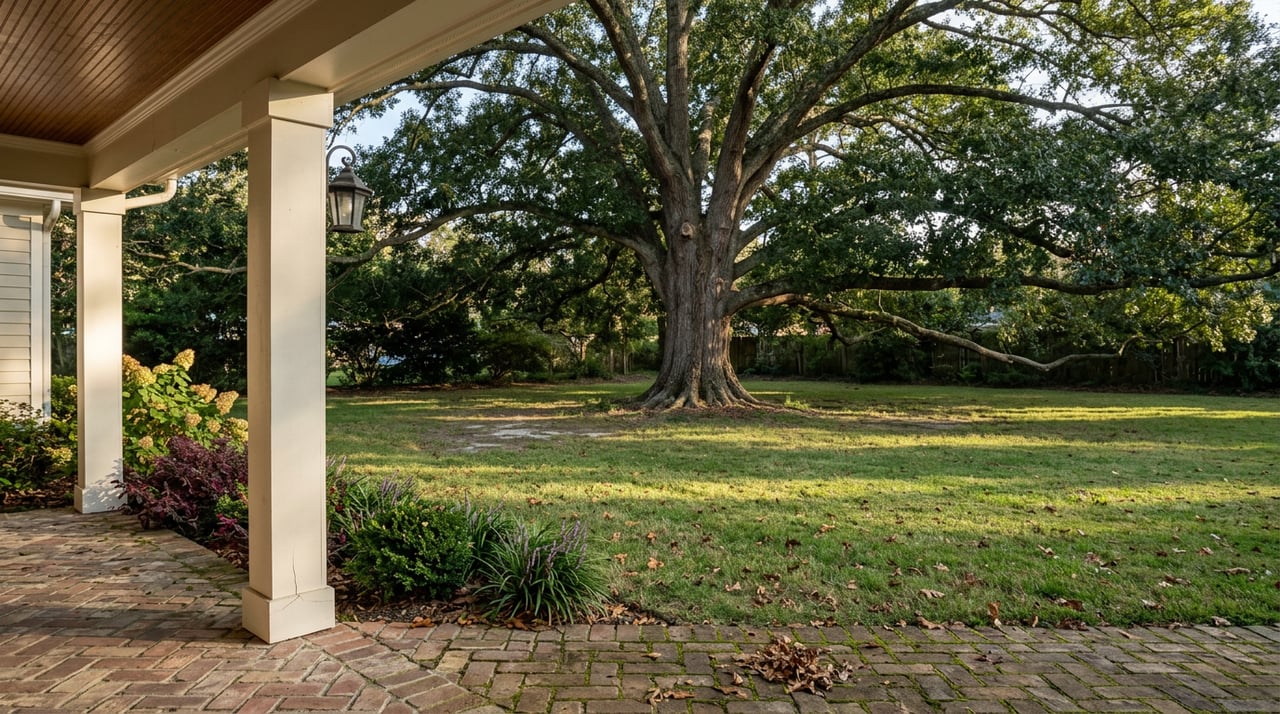
Summerville is known for tree-lined avenues, large lots, and historic architecture. The feel is classic and residential with moderate walkability for neighborhood strolls. Grocery runs and many errands are a short drive away. Renovated homes here often command premium prices within the Augusta market.
Areas around Augusta University and the hospitals blend mid-century homes, bungalows, duplexes, and smaller apartments. Proximity to work is a big draw for students and medical staff. Lake Olmstead Park adds green space, and nearby commercial strips make errands straightforward. Walkability varies block by block, so plan to tour at different times of day.
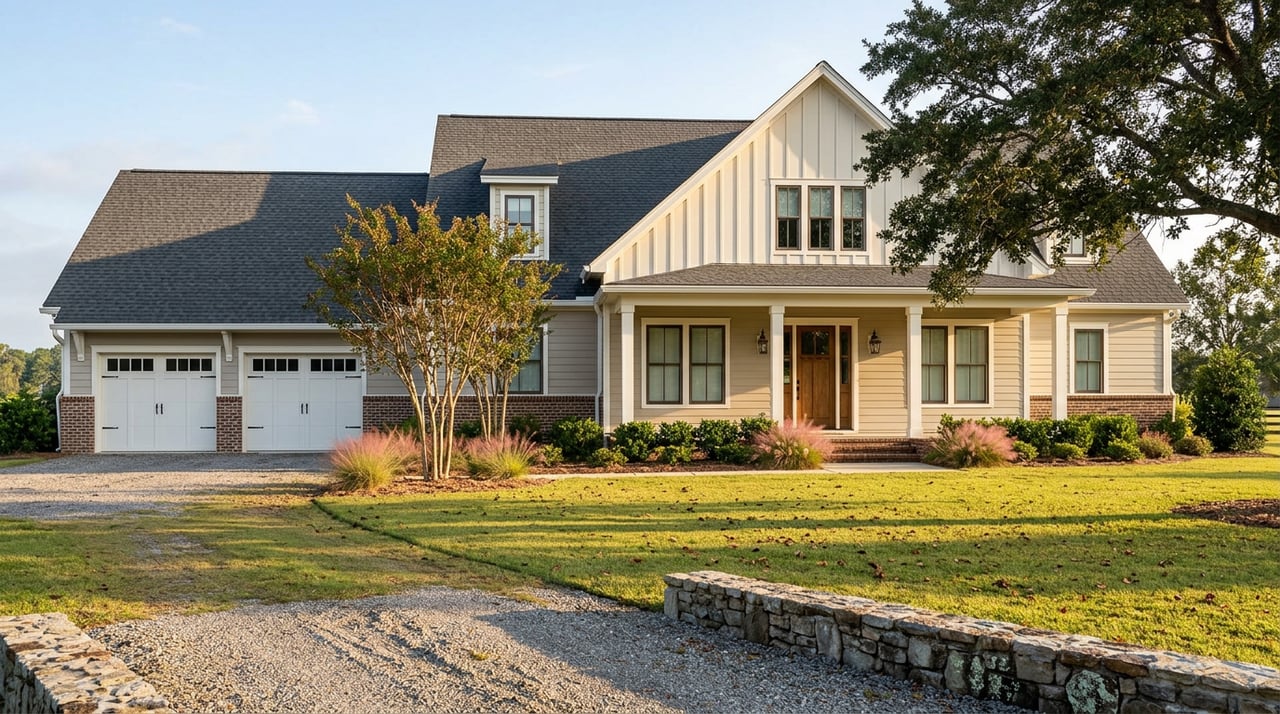
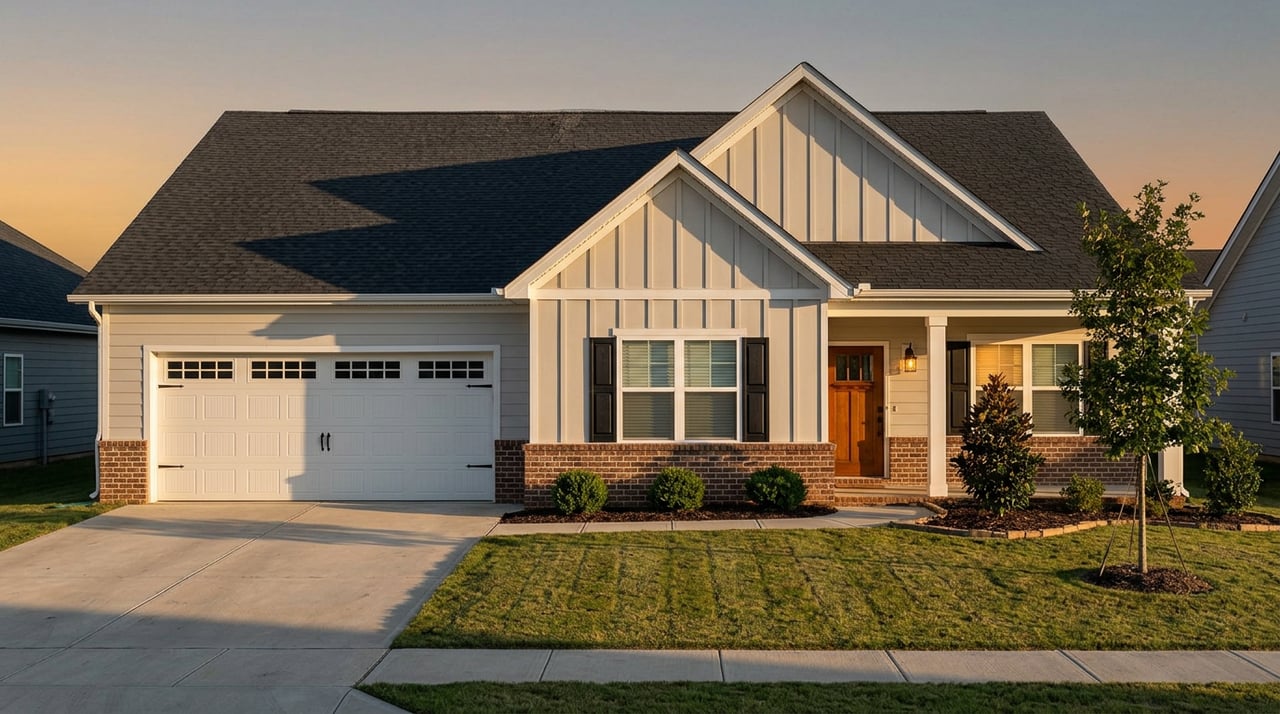
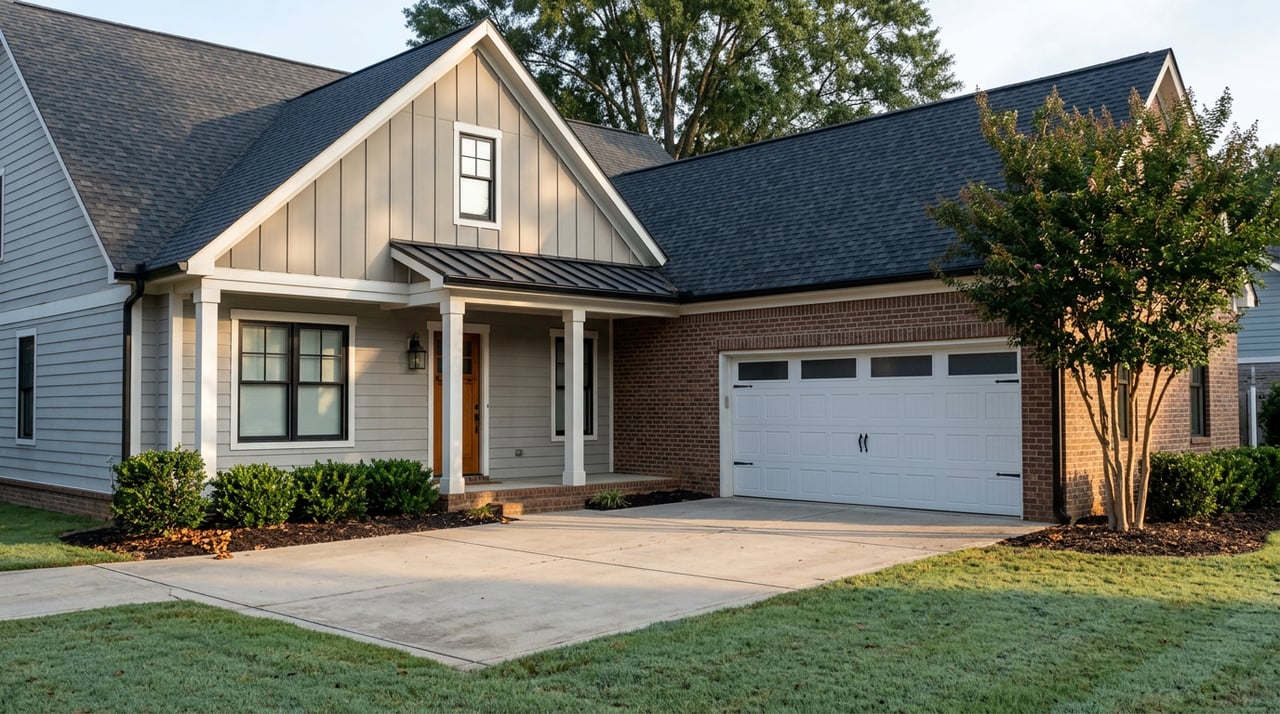
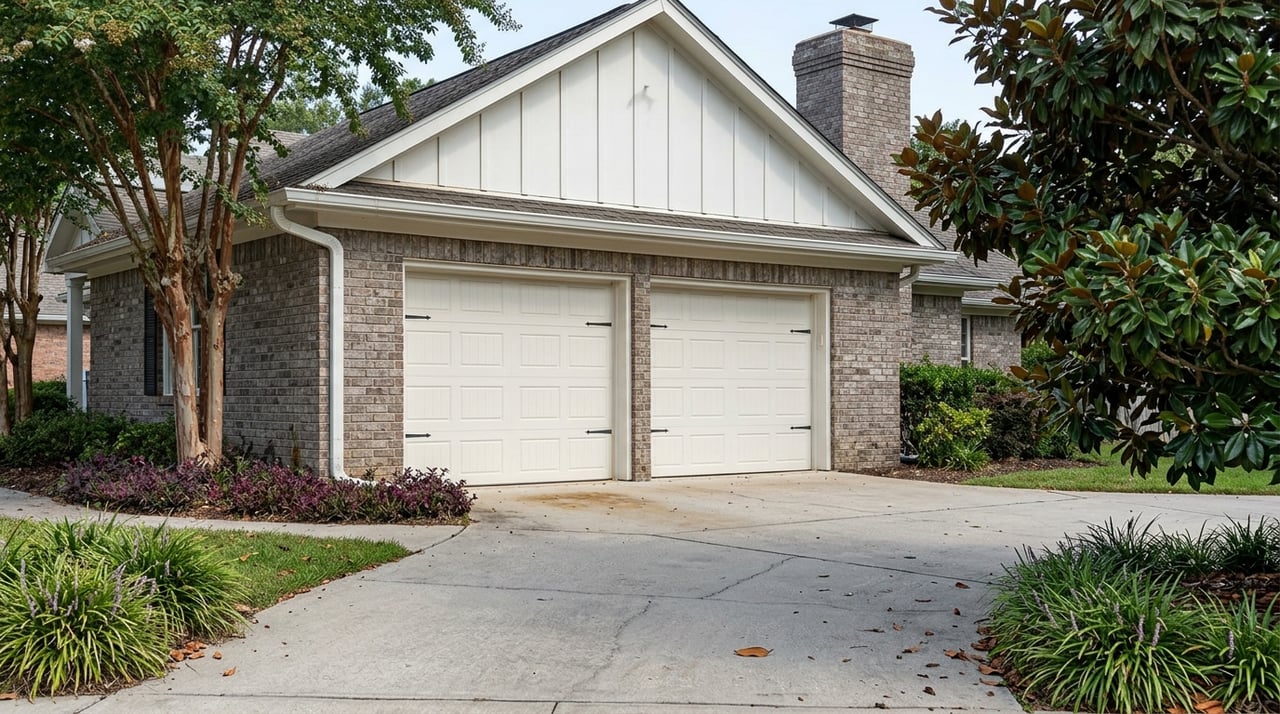
Suburban pockets in West and South Augusta offer newer subdivisions, larger floor plans, and easy access to I-20 and I-520. These areas are largely car-dependent, which many families accept in exchange for space and neighborhood amenities. Shopping centers and services are close by. You can expect a wide mix of price points tied to build age, square footage, and finishes.
Across the Savannah River in South Carolina, North Augusta has its own walkable nodes and riverfront parks. Many residents commute between North Augusta and Augusta for work and entertainment. If you crave a small-town core with quick access to Augusta’s jobs, this area is worth a look. It functions as part of the same everyday ecosystem.
If you want acreage or privacy, outlying parts of the county deliver a more rural feel. Homes are spread out, commutes are longer, and nights are quieter. You trade convenience for space and seclusion. It is a practical fit for buyers who prefer room to breathe.
Walkability tends to be strongest downtown and along the riverfront. Many other neighborhoods are car-oriented, with sidewalks and trails that are better for recreation than errands. The Augusta Canal towpath and connected greenways provide scenic biking and jogging, but the city is not uniformly bike-friendly. During Masters week, traffic and restaurant waits pick up significantly.
The Augusta Canal National Heritage Area offers miles of towpaths for walking, running, and cycling. You can paddle sections of the canal and join guided boat tours in parts of the system. Along the Savannah River, Riverwalk hosts events and provides a scenic backdrop for evening strolls. For wildlife viewing, Phinizy Swamp Nature Park features boardwalks, birding, and education programs.
Public parks are spread across the city for ballfields, playgrounds, and picnics. Golf is a part of local identity, with municipal options nearby and multiple private courses in the region. The overall outdoor vibe is easygoing with year-round options thanks to a generally mild climate.
You can dip into regional art at the Morris Museum of Art, explore local history at the Augusta Museum of History, or take classes at the Gertrude Herbert Institute of Art. The Imperial Theatre and Miller Theater host touring shows, concerts, and community performances. Dining ranges from barbecue and Southern comfort food to seafood, gastropubs, and a growing craft beverage scene. The cultural calendar builds to Masters week, and events like the Westobou Festival add energy throughout the year.
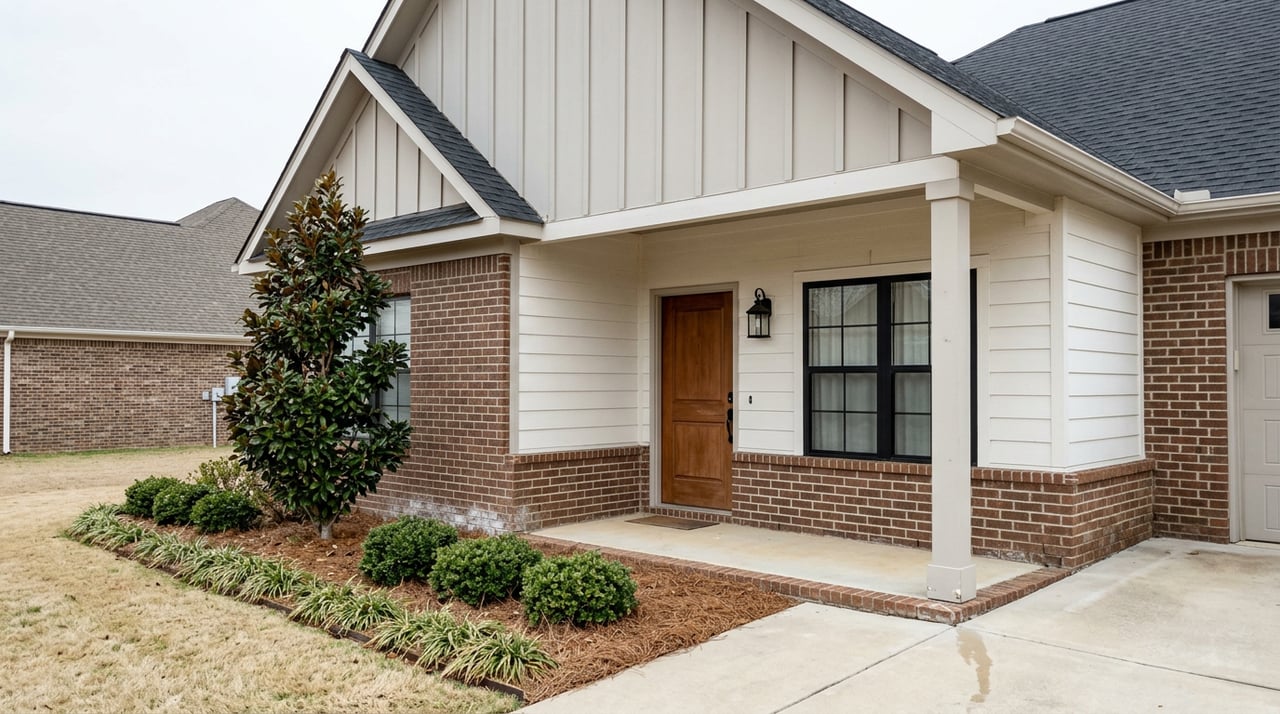
Housing in Augusta runs the gamut from historic estates and renovated bungalows to mid-century ranches and new suburban builds. Entry-level options often include smaller condos or older single-family homes. Mid-tier choices span renovated historic houses, larger bungalows, and newer suburban homes. Premium properties include fully updated historic residences, riverfront settings, and luxury homes in select subdivisions.
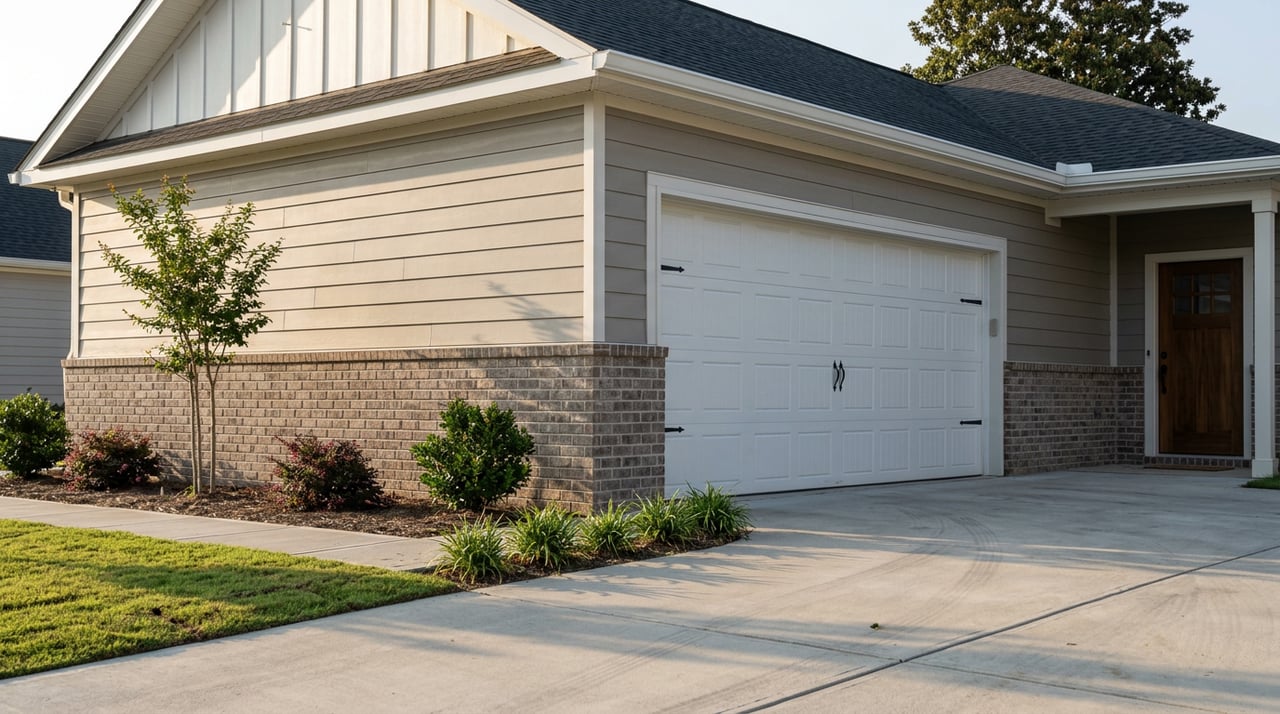
If you are eyeing an older home, plan for age-related items such as plumbing, wiring, foundation, and HVAC. Historic districts may carry guidelines on exterior changes. Buyers who want modern finishes and warranties will find strong new-construction options in suburban areas. Wherever you look, neighborhood-level pricing moves with condition, location, and recent comparable sales.
Most of Augusta and Richmond County are served by the Richmond County School System. The district includes magnet and specialty programs, and families often review specific school zones when they search. Private and parochial school options are available across the metro. For higher education, Augusta University, Paine College, and Augusta Technical College contribute to the local academic and cultural scene.
Major routes include I-20, I-520, and the US 1 and US 25 corridors, which connect neighborhoods to downtown, the Medical District, and Fort Gordon. Augusta Transit operates fixed bus routes, but most residents rely on driving or ride-share. Typical commute times are shorter than in larger metros, though this depends on your workplace and time of day. Augusta Regional Airport at Bush Field provides regional flights, with several larger airports a drive away.
Health care and higher education are major employment pillars. Fort Gordon supports military and defense-related jobs, along with contractors and civilian roles. Manufacturing, government, retail, and hospitality round out the job base. Tourism surges during golf season create a boost for hotels, restaurants, and short-term rentals.
Like many cities, crime patterns vary by neighborhood and even by block. Use local crime maps and neighborhood associations to get recent data, and visit at multiple times of day to gauge activity. Talk with a trusted real estate advisor who can provide block-level context and help you evaluate trade-offs. A balanced approach helps you compare options with clarity.
If you want walkable dining and arts, downtown and the riverfront make sense. If you love historic character and established streets, Summerville stands out. For newer builds and larger spaces near commuter routes, West Augusta and South Augusta deliver value. If you are relocating for Fort Gordon or the Medical District, proximity to work may guide your short list. Tour a few pockets, compare commute patterns, and see how each area feels on your schedule.
Ready to explore Augusta on the ground and refine your plan with local insight? Connect with Candace Riddle for neighborhood guidance, new-construction know-how, and a smooth move whether you are upgrading, relocating, or listing a premium home.
Stay up to date on the latest real estate trends.
Get assistance in determining current property value, crafting a competitive offer, writing and negotiating a contract, and much more. Contact Candace today so she can guide you through the buying and selling process.